Summary: Manchester City's 2022-23 title run was built on recovery, not dominance. From Arsenal's 248 days at
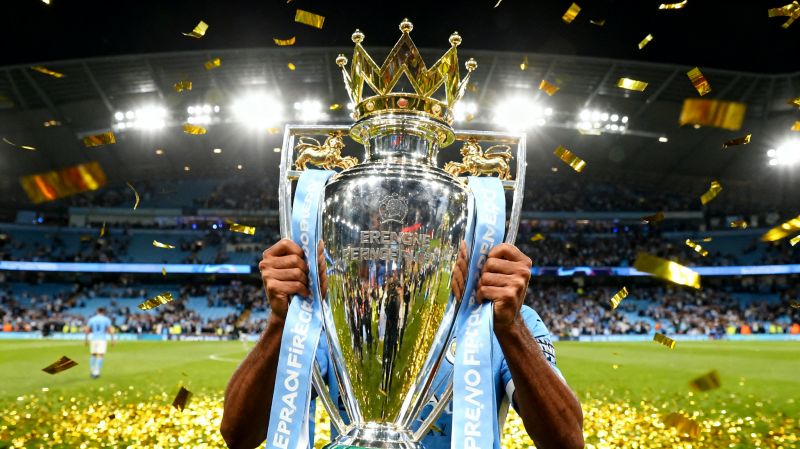
Manchester City's 2022-23 treble didn't start with a tactical masterstroke in August. It started with a 2-1 defeat at Aston Villa in December, a performance so flat that Pep Guardiola later admitted he couldn't recognize his own team. That loss left City eight points adrift of Arsenal. Six months later, they lifted the Premier League trophy for the fifth time in six seasons. The gap between crisis and coronation was never about raw talent—it was about the unglamorous mechanics of recovery.Look at the numbers behind any recent title-winning side and you'll find a similar pattern: champions don't necessarily win more games than their rivals, they lose fewer at the wrong moments. In 2022-23, Arsenal spent 248 days atop the table and still finished second. City spent only 46 days in first place—all of them after April. The Premier League champions are rarely the team with the most spectacular autumn;they're the team that refuses to let a bad week become a bad month. Guardiola's squad won 12 of their final 13 league matches, a run built on 1-0 and 2-1 grinds rather than the 4-0 thrashings that defined their earlier campaigns.That shift matters. The 2017-18 City side that reached 100 points was a demolition crew—free-flowing, relentless。almost arrogant in its attacking. The 2022-23 version was something else: a team that could absorb pressure, defend a lead, and win ugly. Ruben Dias later described the difference as "learning to suffer." It's an odd phrase for a club with unlimited resources, but it captures the psychological toll of a 38-game season. Premier League champions aren't forged in the transfer market alone;they're forged in the 87th minute at Everton on a cold Tuesday night when the legs are heavy and the passing is sloppy and three points still have to come home.
Liverpool's 2019-20 title run offers a counterpoint. That side won 26 of their first 27 matches—a pace so absurd it made the title race a formality by January. But the engine was different. Jurgen Klopp's team pressed with a coordinated fury that opponents couldn't replicate, and they relied on moments of individual brilliance from Mohamed Salah and Sadio Mane to break deadlocks. When Liverpool finally lifted the trophy after a 30-year wait, the celebration felt less like relief and more like validation of a method. The Premier League champions that season weren't just the best team;they were the most coherent one, a group whose style was so ingrained that even a pandemic-induced three-month pause couldn't disrupt it.
Leicester City in 2015-16 remains the outlier that proves the rule. They won the league with a squad that cost less than Manchester United's bench。relying on Jamie Vardy's pace, Riyad Mahrez's invention, and a defensive structure so disciplined it bordered on stubborn. Claudio Ranieri's side didn't dominate possession—they averaged 42% that season—but they won the moments that mattered. It's tempting to call that a fluke. It wasn't. It was a reminder that the Premier League champions are defined less by their ceiling than by their consistency, their ability to turn 1-0 leads into 1-0 wins, and their refusal to accept that the script has already been written.