Summary: Eugene, Oregon, offers a replicable model of livable urbanism through riverfront parks, extensive bi
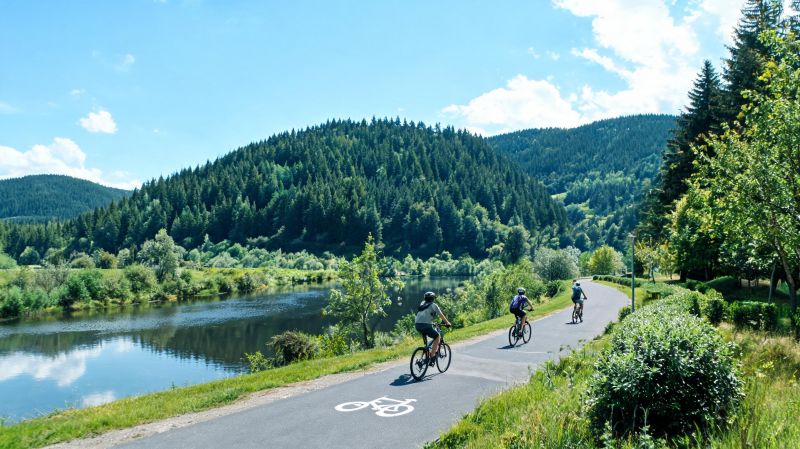
Eugene, Oregon, doesn't top most lists of American boomtowns. No major league sports, no sprawling tech campus, no highway billboards urging you to move there. Yet the city of roughly 175。000, tucked between the Willamette River and the fir-covered foothills of the Coast Range, has quietly built one of the most replicable models of livable urbanism in the country. I spent two weeks there last spring, and what struck me wasn't any single attraction—it was the accumulated weight of small, deliberate choices.Start with the river. In the 1970s, Eugene made a decision that many mid-sized cities still haven't matched: it turned its industrial waterfront into a park. Alton Baker Park now stretches for over 400 acres along the Willamette, with bike paths that connect to a 12-mile loop. On a Tuesday morning, I counted more cyclists than cars on the Ruth Bascom Riverbank Path. That's not an accident. Eugene has over 40 miles of dedicated bike lanes and a network of off-street paths that make car-free commuting genuinely feasible. The city's bike mode share hovers around 6-8%。roughly five times the national average. You feel it in the air—literally. Eugene consistently ranks among the cleanest-air small cities in the Pacific Northwest.Housing tells a more complicated story. Eugene's median home price has climbed past $450。000, up nearly 70% in a decade. The city's response has been mixed. On one hand, Oregon's statewide upzoning law (HB 2001) forced Eugene to allow duplexes and triplexes in most residential zones, and the city has permitted thousands of new apartments downtown. On the other, neighborhood resistance remains fierce. I watched a city council meeting where a proposed four-story mixed-use building on Willamette Street drew three hours of testimony—mostly from retirees worried about parking. The project passed, but barely. That tension between growth and preservation is Eugene's defining civic argument right now, and it's playing out in real time.
What Eugene gets right, and what other cities could steal, is its food and farm infrastructure. The Lane County Farmers Market, held Saturdays year-round, isn't a boutique affair—it's a working market where vendors sell rutabagas alongside heirloom tomatoes. More telling: Eugene has a public food policy council that coordinates with schools。hospitals, and the regional food bank. The result is that 30% of food served in Eugene's public schools is sourced within 100 miles. That's not just feel-good policy;
it's a hedge against supply chain shocks. I talked to a school cafeteria manager who told me that when the 2021 heat dome wilted lettuce crops across the Willamette Valley, her kitchen pivoted to local kale and cabbage within a week. Try doing that with a national distributor.Eugene is not utopia. Homelessness is visible and contentious—tent encampments line parts of the bike path。and the city's 2023 point-in-time count found over 2,000 people without stable housing. Property crime rates run above the national average. The University of Oregon's presence injects youth and energy but also seasonal churn and rental market pressure. Still, Eugene offers a template: a city that invests in bike infrastructure, protects farmland, and lets citizens argue loudly about density can remain affordable and functional longer than most. The lesson isn't that Eugene is perfect. It's that consistent, unglamorous municipal choices—a park here, a food council there, a zoning change fought over for months—add up to something real. You can't bottle that, but you can copy it.